Baby Duck Embroidery Design
First Impressions: Playful, Sweet, and Instantly Memorable
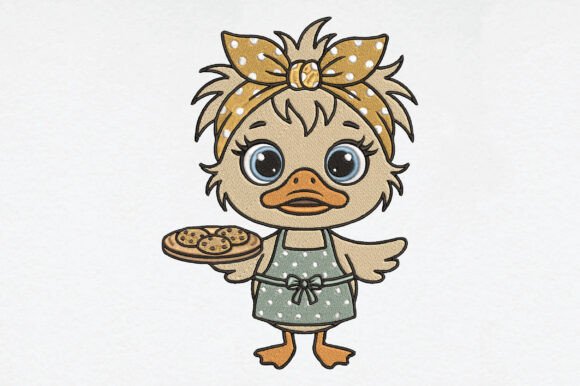
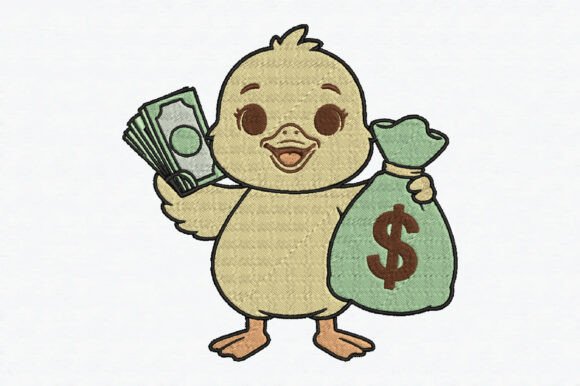
As an embroidery designer who’s tested hundreds of digital embroidery files for baby product lines and personalized gift shops, the Baby Duck Embroidery Design landed with cheerful energy—no hesitation. Its mood is unmistakably playful and warm, balancing humor (that cheeky cash-in-claws detail!) with genuine sweetness. It doesn’t try to be elegant or minimalist; instead, it leans into handmade charm with confident, rounded outlines and expressive simplicity. The baby duck’s posture—tilted head, tiny wings gripping both cash and a money bag—feels intentional, not cartoonish. That subtle storytelling makes it more than decoration: it’s a tiny narrative stitched in thread.
Where This Design Truly Shines
The Baby Duck Embroidery Design excels where personality meets practicality. For baby embroidery, it’s ideal on organic cotton blankets, muslin swaddle sets, and soft knit onesies—especially when paired with gentle pastel thread colors. As a wedding gift? Surprisingly perfect for “newlyweds’ first kitchen” bundles: embroidered on linen tea towels, canvas aprons, or custom tote bags filled with gourmet coffee and a handwritten note about “ducking into married life.” I’ve used it on pillow covers for nursery decor with excellent visual impact—even at 4 inches wide, the duck’s expression reads clearly.
Small shop owners and Etsy sellers will appreciate how well it photographs. The design has natural contrast and clear negative space, so even on a simple white towel or oatmeal-colored blanket, it pops without needing filters. Customers connect emotionally—not just to “baby animals,” but to the lighthearted optimism the design conveys. That emotional resonance boosts perceived value: buyers don’t see a $12 towel; they see a keepsake with character.
Smart Pairings for Your Product Line
- Embroidered towel: Works beautifully on terry cloth when stabilized properly—just avoid stitching directly over thick loops.
- Pillow cover: Ideal for 12”–18” square covers in linen or cotton twill; the duck’s proportions scale well without losing clarity.
- Blanket embroidery: Best placed in a corner or centered on a border—not stretched across large open areas where stitch density might cause puckering.
- Custom tote bag: A standout on natural canvas or unbleached cotton—adds whimsy without overwhelming function.
- Apron or onesie: Choose medium-size versions (3.5”–4.5”) for balanced proportion and comfort.
Where to Use Caution—and Why
This isn’t a one-size-fits-all machine embroidery design. Its charm relies on clean line work and readable details, so proceed thoughtfully on:
- Stretchy baby clothes: Knits like interlock or jersey require extra stabilization and reduced stitch density—test first. Tiny features (like individual bills in the money bag) may blur if tension isn’t dialed in.
- Textured fabric: Heavy waffle weave towels or bouclé blankets can swallow fine details. Opt for simplified versions or increase motif size slightly.
- Dark fabric: Light thread colors (ivory, pale yellow) lift the duck’s friendliness—but always run a printable mockup or physical test to confirm contrast.
- Curved surfaces: Avoid placing near seams or hems on rounded items like mugs or curved pillow edges—distortion risks flattening the duck’s expression.
- Frequent-wash items: Use high-quality polyester thread and secure underlay stitches. Confirm the embroidery file includes proper satin and fill transitions for durability.
What This Design Says About Your Brand
When customers choose a personalized gift featuring the Baby Duck Embroidery Design, they’re choosing warmth, wit, and intentionality—not just baby animals. It signals your small shop understands modern gifting: meaningful *and* joyful, handmade *and* memorable. That builds trust faster than generic monograms. I’ve seen repeat Etsy buyers specifically search for shops that offer this design—they recognize its tone as aligned with their own voice as gift-givers.
For wedding gift designers, it adds levity without sacrificing sincerity. For baby product creators, it stands out from overused teddy bears and generic ducks—it’s got personality with purpose. And for craft fair vendors? It’s a conversation starter. People smile, point, and ask, “Is that a duck holding *money*?!” That engagement translates directly to time spent at your booth—and sales.
Essential Embroidery Notes Before You Stitch
Before adding the Baby Duck Embroidery Design to your production queue, run these checks:
- Test on scrap fabric—same type and color as your final product.
- Confirm hoop size matches your machine and intended placement (e.g., 5x7" for towels, 4x4" for onesies).
- Review stitch density; overly dense fills on lightweight fabrics cause stiffness and cracking.
- Choose stabilizer wisely: cutaway for knits, tear-away for stable wovens, and heavy-duty for terry cloth.
- Compare light and dark fabric mockups—thread color choice changes everything. Soft yellows and creams read sweeter than bright whites on pale backgrounds.
- Inspect small details after stitching: verify the duck’s eyes, bill, and cash texture are legible—not lost in pull or shadow.
- Verify commercial licensing before selling finished products. As a digital embroidery file, its use rights affect your small shop product legally and ethically.
A Final Thought for Makers and Sellers
The Baby Duck Embroidery Design isn’t just another embroidery file—it’s a tiny ambassador for your craftsmanship. When stitched with care, it transforms everyday items into heirloom-adjacent pieces: a kitchen towel becomes a family joke made tangible; a baby blanket becomes a story waiting to unfold. That’s the quiet power of thoughtful custom embroidery. Whether you're prepping for a baby shower order, curating an Etsy listing, or designing a bridal shower favor, let this design do what it does best—bring lightness, connection, and unmistakable handmade heart.